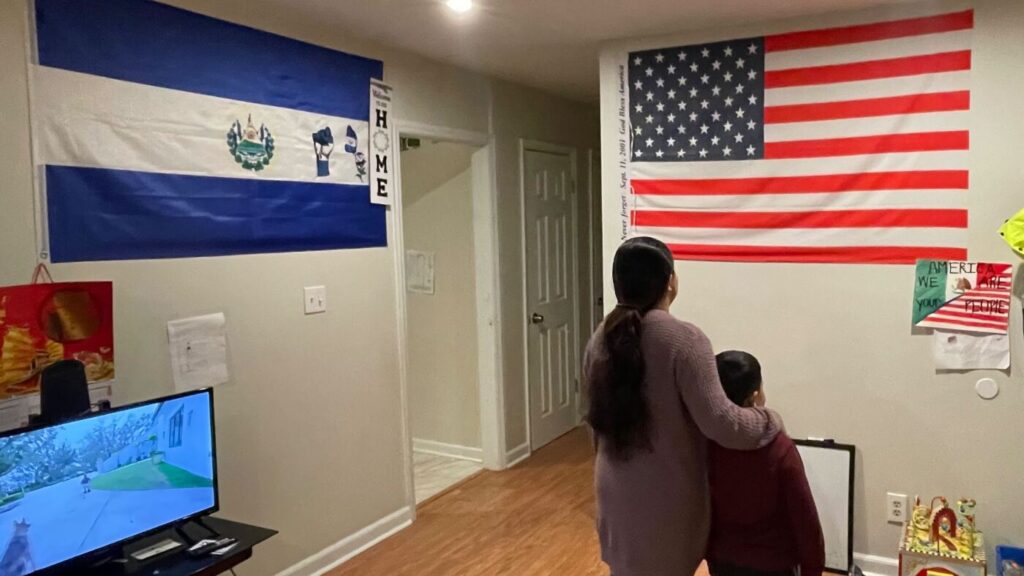
The article delves into the complex decisions faced by immigrant families without legal status in the U.S. under the second Trump administration. It follows the story of a woman, S, and her husband, contemplating whether to return to El Salvador with their U.S.-born children amid the administration’s self-deportation policies. The couple, like many others, grapple with the difficult choice of staying or leaving, seeking a better future for their family.
The administration’s push for self-deportation, reminiscent of Mitt Romney’s past stance, aims to make life challenging for immigrants without legal status through various deterrent measures. The narrative highlights the emotional turmoil and practical considerations immigrant families navigate, such as obtaining U.S. passports for their children as a precaution.
Despite the administration’s messaging about self-deportation and potential future opportunities to return, advocates express skepticism about the policy’s feasibility and transparency. The impact of these policies extends beyond immigrants to affect U.S.-born children’s well-being and access to essential services, prompting mental health concerns and family rifts over whether to stay or leave.
The article paints a poignant picture of the human cost and internal struggles faced by immigrant families, shedding light on the complexities of immigration policy and the personal stakes involved in these life-altering decisions.