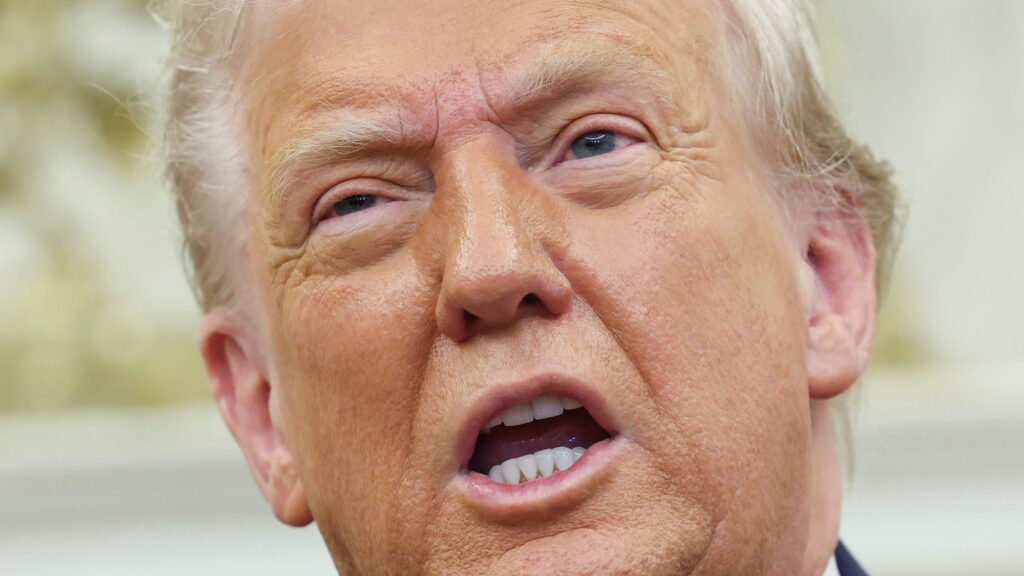
President Donald Trump’s recent statement about deporting violent criminals who are U.S. citizens to Salvadoran prisons has sparked concerns and legal debates. Despite Trump’s intentions, legal experts assert that such actions would likely violate U.S. law. The proposal of deporting naturalized and U.S.-born citizens has raised alarms among civil rights advocates and constitutional scholars.
The President’s remarks, made during Salvadoran President Nayib Bukele’s visit to the White House, highlighted his focus on addressing domestic criminal activities, emphasizing the need to deal with “homegrown criminals.” Trump urged Bukele to prepare more prison facilities to accommodate the U.S. citizens he plans to deport, to which Bukele responded affirmatively.
While there are rare instances where foreign-born citizens could be stripped of citizenship and deported for specific reasons like terrorism or treason, U.S. law does not provide for the deportation of citizens. The case of Kilmar Abrego Garcia, a Salvadoran national mistakenly deported from the U.S., has drawn attention to the potential consequences of such actions.
Critics of Trump’s proposal argue that deporting individuals to El Salvador’s Terrorism Confinement Center without proper legal determination raises significant ethical and legal concerns. The pushback against the administration’s actions highlights the need for judicial intervention to prevent potential violations of citizens’ rights.
In conclusion, Trump’s consideration of deporting U.S. citizens to Salvadoran prisons has ignited a contentious debate surrounding legal boundaries, individual rights, and due process, underscoring the complexities and ethical considerations involved in immigration policy decisions.