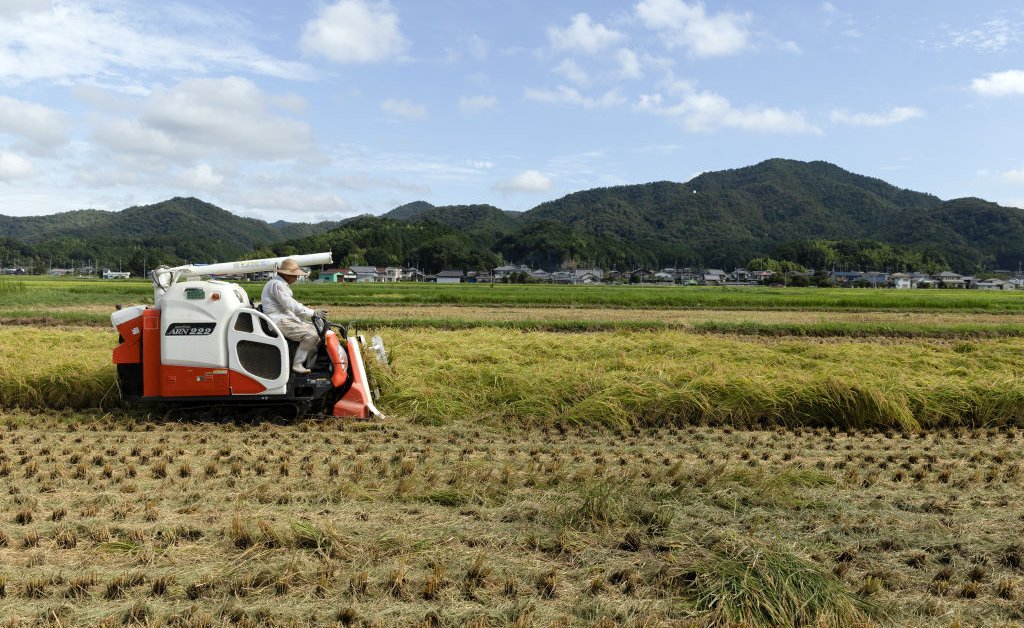
Japan is facing significant pressure in trade negotiations with the U.S., particularly regarding the issue of rice imports. The Trump Administration is pushing for Japan to open up its highly protected rice market, which has historically been shielded from trade negotiations due to its political sensitivity. The Liberal Democratic Party (LDP), which holds power in Japan, has long opposed any proposals to increase imports of American rice, fearing backlash from its rural voter base.
The ongoing negotiations highlight the delicate balance Japan must strike between protecting its local farmers, addressing soaring rice prices, and navigating international trade demands. The country’s complex agricultural policies, including subsidies to reduce rice production and maintain high prices, have created challenges such as a recent rice shortage and increased prices. These issues have led to unprecedented actions like importing rice from South Korea and releasing emergency reserves to meet demand.
While some economists suggest that pressure from the U.S. could spur much-needed reform in Japan’s agricultural sector, others caution that opening up to American rice imports could have long-term consequences on domestic production and food security. The trade talks have sparked debates on the future of Japan’s rice industry, with differing views on the potential benefits and risks of liberalizing the market. Ultimately, Japan faces a critical juncture in deciding the fate of its rice industry amidst competing economic and political pressures.