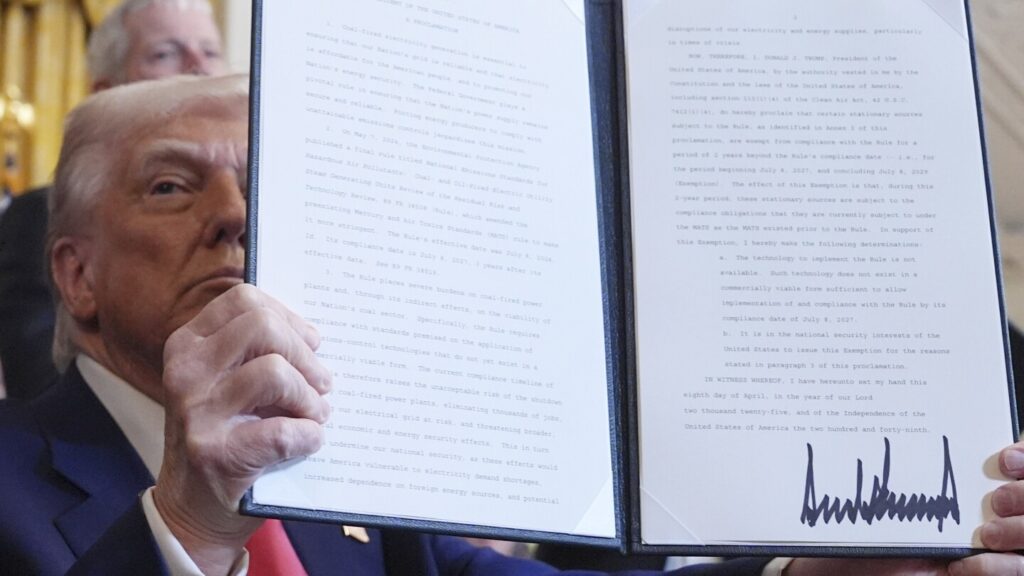
President Donald Trump’s leadership style has been characterized by impulsive decision-making and a disregard for traditional processes. He often operates on instinct rather than careful deliberation, leading to significant policy shifts and unilateral actions. Critics argue that Trump’s approach resembles that of a 19th-century autocrat, with his whims dictating government actions.
The Trump administration defends his actions, citing his electoral mandate and commitment to his campaign promises. However, Trump’s tendency to bypass established procedures has raised concerns about democratic norms and the concentration of power in the presidency.
Trump’s second term has seen a heightened assertiveness in various policy areas, including international trade and cultural institutions. He has taken unilateral actions such as removing regulations and targeting his opponents, demonstrating a willingness to assert his authority across different domains.
Critics warn that Trump’s reliance on gut instincts and personal desires poses risks for informed decision-making and could lead to unintended consequences. The lack of a structured decision-making process has created a climate where individuals must align with Trump’s preferences to influence outcomes.
The recent controversy over tariffs exemplifies Trump’s unpredictable approach to governance. While initially declaring a national emergency to impose tariffs, he later backtracked following market turmoil. Skepticism remains about the feasibility of quickly negotiating trade deals based on Trump’s timeline, with concerns that superficial agreements may prioritize optics over substantive outcomes.