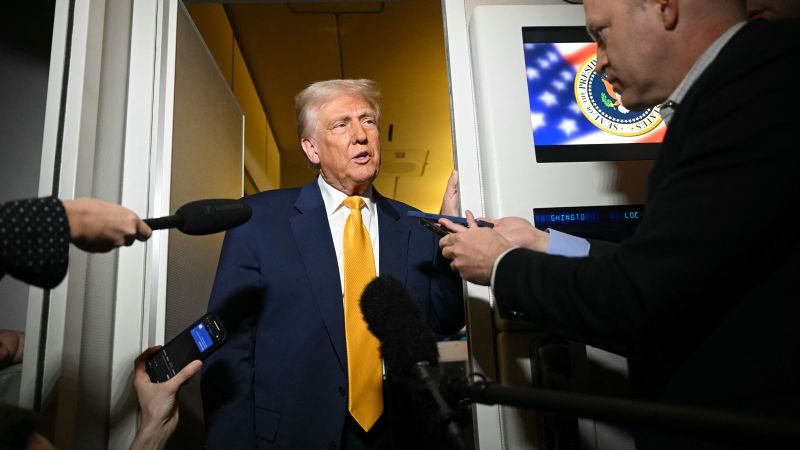
President Trump is facing a critical juncture in his trade wars with China, with urgent calls to de-escalate tensions to prevent severe damage to the US economy. Despite Trump’s assurances of a positive relationship with Chinese President Xi Jinping, the impasse continues, risking stock market turmoil and hardships for Americans. The intricate economic ties between the US and China, from consumer electronics to agriculture, further complicate the situation.
As Trump navigates this high-stakes standoff, his administration’s strategy of imposing tariffs and seeking concessions from China is met with skepticism and concern. While Trump’s team defends his approach, doubts linger over the effectiveness of his tactics and the potential economic repercussions, including market volatility and consumer price increases. The political and economic implications of Trump’s trade policies are becoming more pronounced, impacting his approval ratings and setting the stage for a challenging political landscape ahead of the midterm elections.
The article underscores the complexities of the US-China trade relationship, the risks of Trump’s confrontational approach, and the uncertainties surrounding the future trajectory of trade negotiations. Trump’s ability to redefine US-China trade dynamics and deliver on his promises remains a contentious issue, with implications reaching far beyond economic realms. The evolving dynamics between the two global powers and the repercussions of Trump’s trade policies will continue to shape international relations and domestic politics in the coming days.