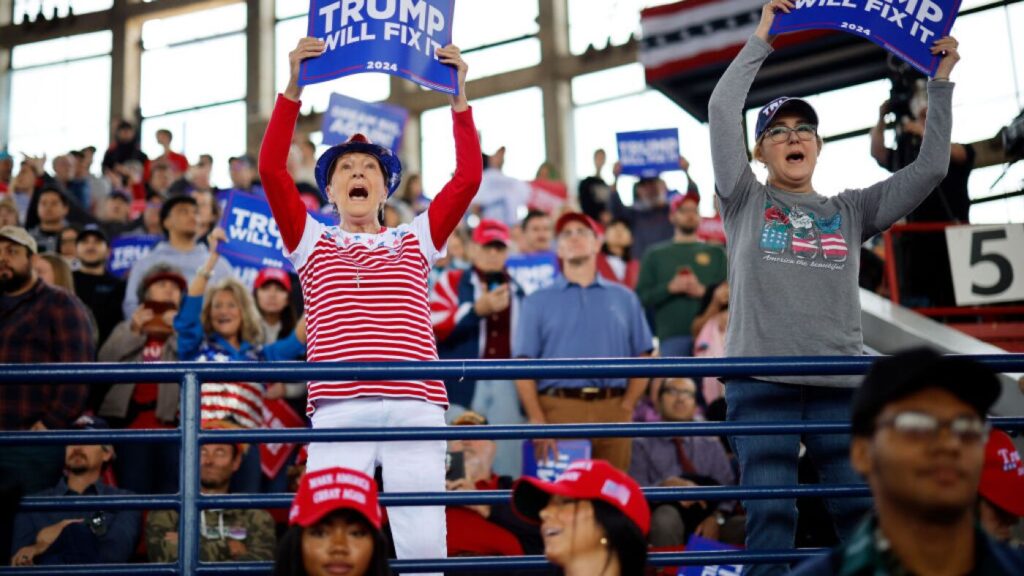
The return of former President Donald Trump has sparked a shift in Republican attitudes towards government intervention in healthcare, as highlighted in a recent article. While traditional GOP ideology was staunchly against government regulation of healthcare prices, a growing number of Trump voters now support federal action to address the soaring costs in the healthcare system. Polls indicate that Republican voters are in favor of government-imposed limits on drug prices, medical bills, and debt collection practices by healthcare providers.
This change in perspective reflects a broader national sentiment that the healthcare market is broken, leading many to advocate for government intervention to protect consumers. Trump voters, in particular, are more likely to blame health insurers, drug companies, and hospitals for high healthcare costs rather than the government. Calls for regulations on pharmaceutical prices, medical debt collections, and interest rates on medical debt are gaining traction among Republican voters, signaling a shift towards more government oversight in healthcare.
Despite this groundswell of support among voters, GOP leaders in Washington have historically shown little interest in implementing government limits on healthcare costs. As Trump and his allies shape their healthcare agenda, there remains a disconnect between the priorities of policymakers and the concerns of American families. The evolving stance on healthcare regulation within the Republican party suggests a reevaluation of traditional free-market principles in favor of government actions to address the affordability and accessibility of healthcare for all Americans.